2027
Control Barrier Functions for Adaptive Stabilization of Fully Unknown Underactuated Nonlinear Systems
IEEE Conference on Decision and Control (CDC)
Control · Robotics · Physical AI
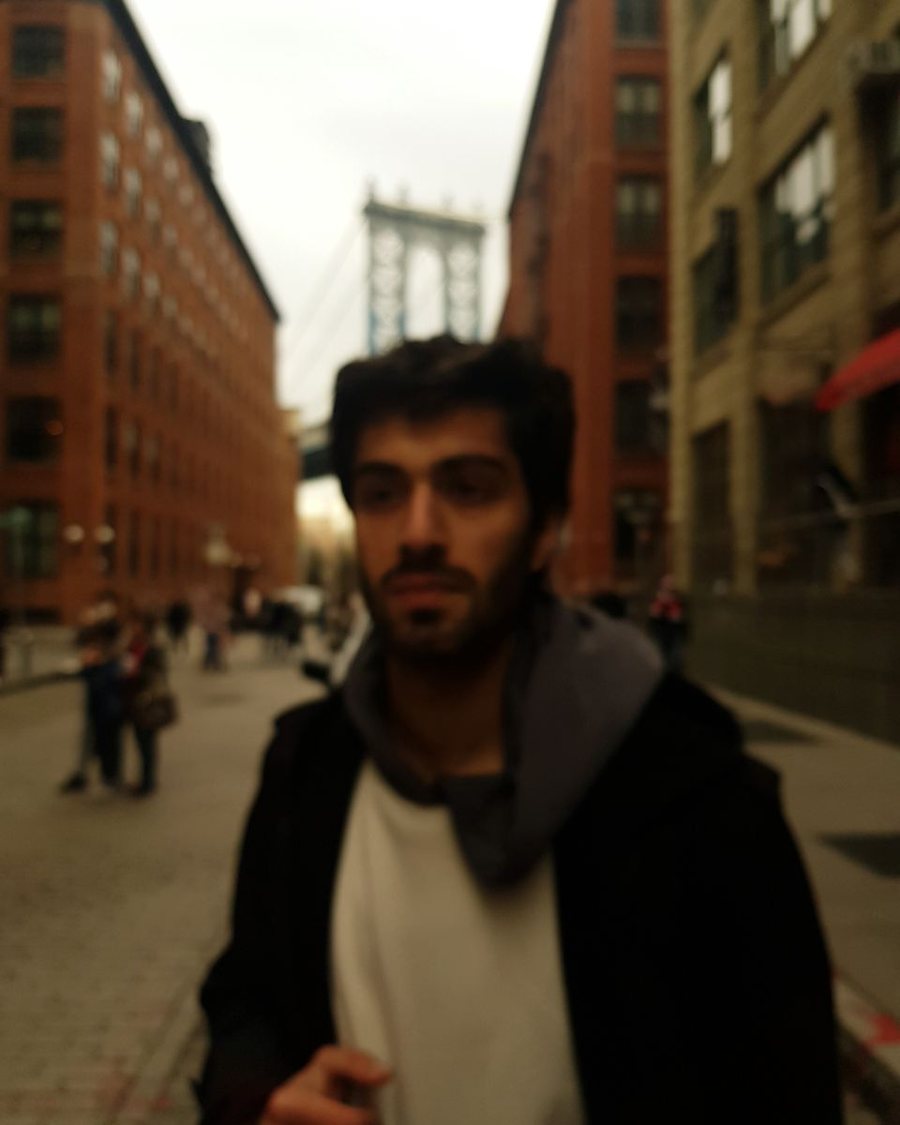
PhD candidate in Electrical Engineering at Penn State, working on control and physical AI for robotic systems. My research is in safety-critical and adaptive control: keeping a system inside its operating limits when the dynamics are uncertain, and carrying those guarantees over to learned policies. I build the software as well as the theory, and test it on hardware.
closed-loop trajectory
constraint boundary
live safety filter
About
I am a PhD candidate in Electrical Engineering at the Pennsylvania State University, working on learned policies and control for robotic systems. Most of my current work is on generative AI for robotics: vision-language-action models, diffusion and flow-matching policies, and reinforcement learning; and on making those policies dependable enough to run on hardware, which is where safety-critical and adaptive control come in.
I work across both sides of that boundary. On the learning side: policy-gradient and model-free reinforcement learning, imitation from demonstration, and large behaviour models conditioned on language and vision. On the control side: nonlinear and optimal control, adaptive and robust design, convex optimization, model predictive control, state estimation and motion planning. These carry over to most settings where a physical system has to act under uncertainty, and I am interested in those problems broadly, not only in the robots I have used to study them.
I build the software as well as the theory. I work daily in C++, Python, MATLAB and C# with ROS and PyTorch, and I test on real hardware, including quadrupeds, manipulators, mobile bases and full-size humanoids. My earlier research was on legged locomotion and humanoid gait control.
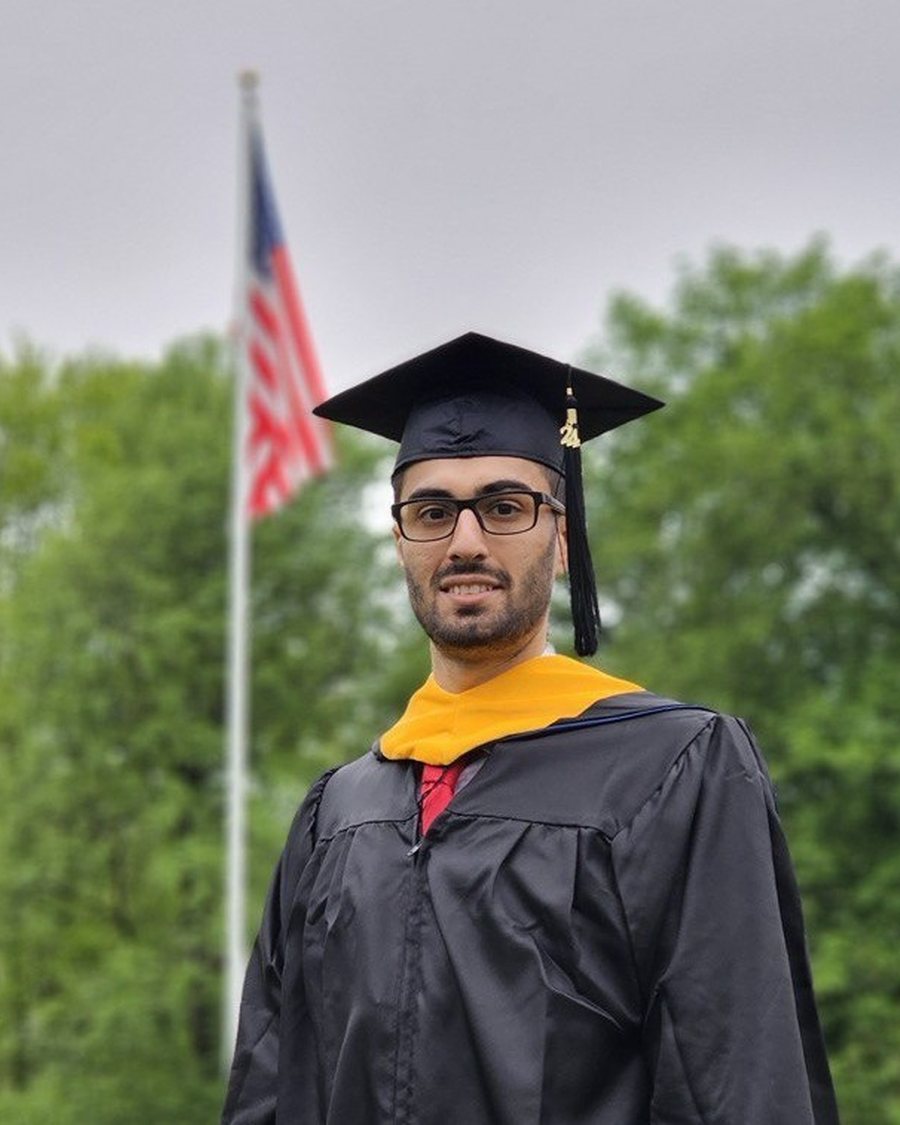
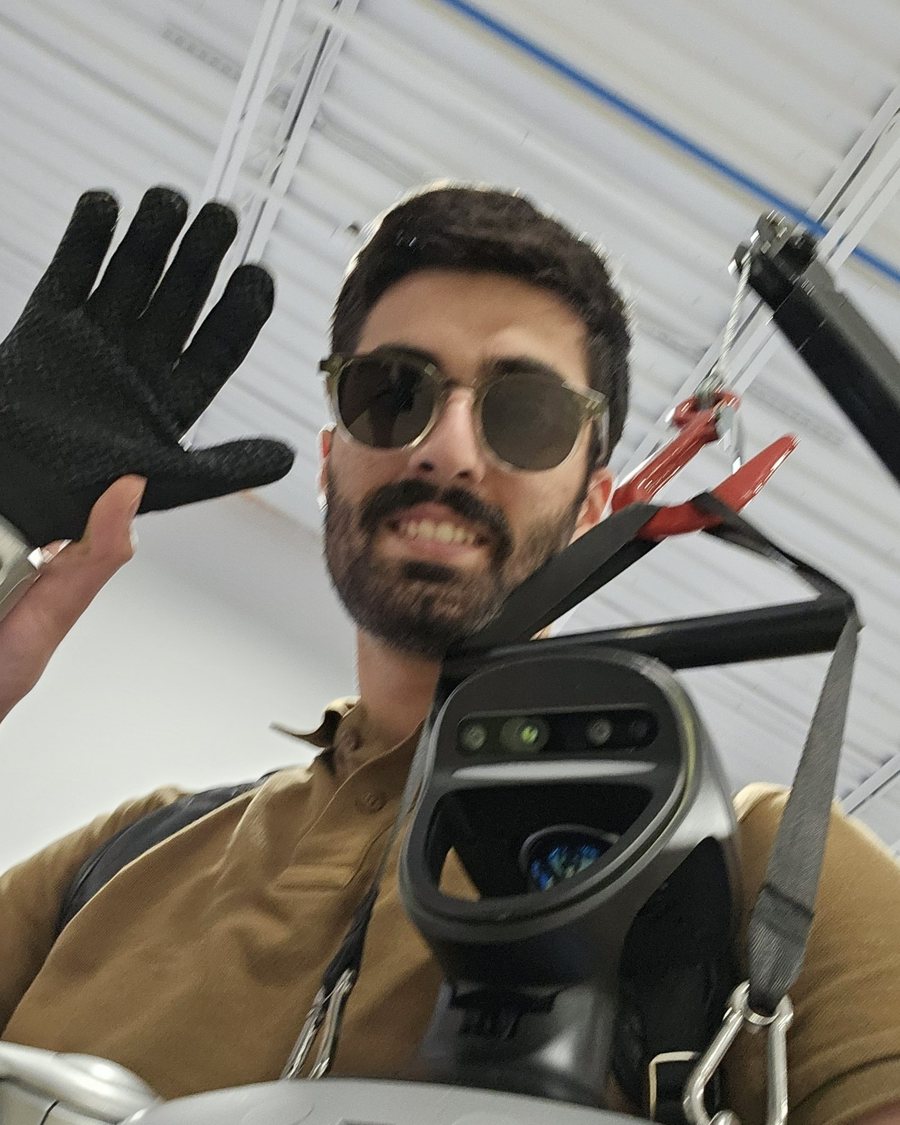
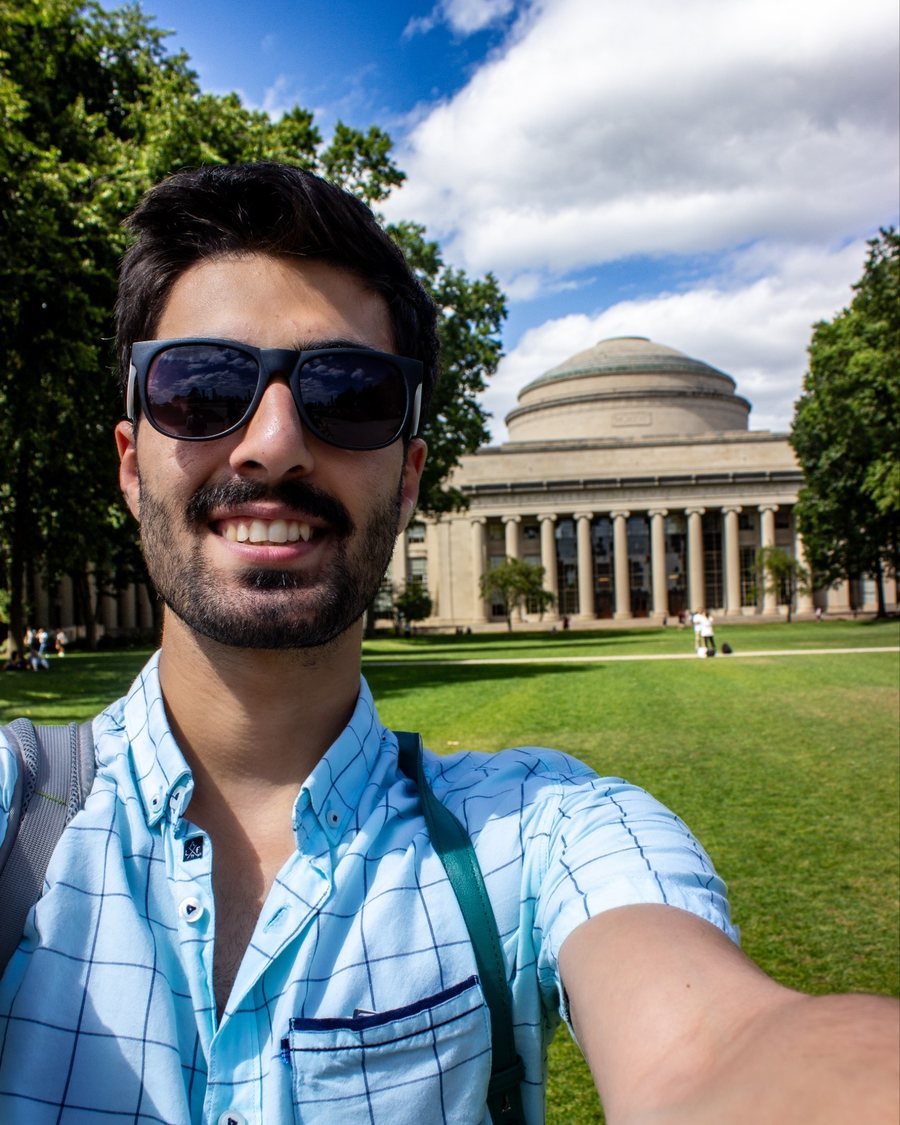
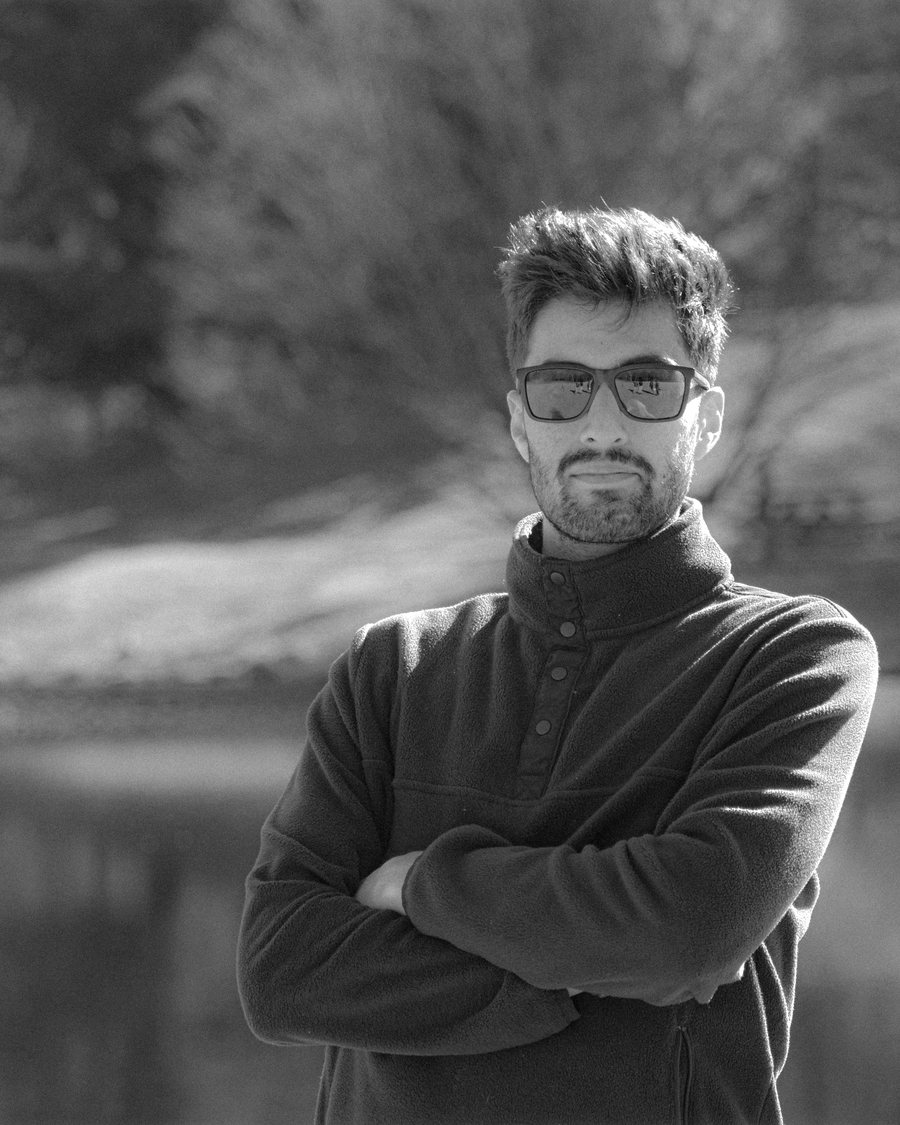
Generative policies driving real hardware: vision-language-action models, diffusion and flow-matching policies, imitation from demonstration.
Policy-gradient and model-free methods for control, tuning and sequential decision-making.
Task planning and decision-making over structured world representations, executed on real systems.
Enforcing hard constraints on physical systems: barrier functions, set invariance, and safety filters around a learned or classical controller.
Holding performance when the model is uncertain, changing, or wrong: parameter estimation, robust synthesis, stability guarantees.
Lyapunov design, convex optimization and model predictive control for constrained, nonlinear plants.
Sampling-based and optimization-based planning, including MPC and MPPI, for mobile robots and manipulators.
Sensor fusion, Kalman filtering, and visual-inertial and LiDAR odometry for localisation and mapping.
Research
Peer-reviewed work in control theory, robotics and machine learning. Several papers have an accompanying project page with video, derivations and hardware results.
2027
IEEE Conference on Decision and Control (CDC)
2026
IEEE/RSJ International Conference on Intelligent Robots and Systems (IROS)
2026
IEEE Robotics and Automation Letters (RA-L)
2026
IEEE Robotics and Automation Letters (RA-L)
2026
ASME Modeling, Estimation and Control Conference (MECC)
2025
9th IEEE Conference on Control Technology and Applications (CCTA)
2025
American Control Conference (ACC)
2022
IEEE-RAS 21st International Conference on Humanoid Robots (Humanoids)
2021
9th RSI International Conference on Robotics and Mechatronics (ICRoM)
2021
29th International Conference of the Iranian Society of Mechanical Engineers (ISME)
Experience

Developing semantic safety filters for mobile manipulators driven by physical-AI policies at Chewy Robotics Lab. I use 3D scene graphs to retrieve semantic context from the environment and deploy vision-language-action models for long-horizon warehouse tasks.

Whole-body control and planning for a humanoid robot with two 6-DoF arms on a differential-drive base, plus perception and object detection. A rare chance to build robot software that combines modern learning algorithms with classical control theory.

Control and Robotics Lab, Department of Electrical Engineering. We develop smart controllers and find formal proofs of safety and stability across a range of settings, validated on Unitree Go1 quadrupeds and Quanser QArm manipulators.

Member of the Dynamics and Control group at the Center of Advanced Systems and Technology, working on humanoid gait. The team designed and fabricated four full-size humanoid robots; I worked on gait pattern generation and dynamic walking. See the Surena humanoid project.

Two consecutive summers at an engineering consultancy in Tehran, learning drafting, mechanical design and project management.
Projects
Research prototypes, course work and open source. Most link to a write-up or a repository.
A phone used as a 6-DoF teleoperation device, using ARCore's visual-inertial odometry and streaming operator input to the robot controller over WebRTC and low-latency UDP. Built to make demonstration collection cheap.
A constraint embedded directly in the generative denoising process rather than applied to its output, giving SmolVLA and π-0 formal safety guarantees without retraining or safety-labelled data.
A robust adaptive controller that shapes the parameter update so constraints hold throughout the learning transient, not only after the estimates converge.
An MPPI planner that lets a mobile manipulator traverse varied doors across different environments, coupling base motion and arm contact in a single optimisation. Built at AlphaZ Robotics.
Control barrier functions applied to cases outside the standard assumptions, including recovery once the system has already left the safe set, and model-free safety-critical control of complex kinematic and kinetic systems.
A safety layer added to a standard class of robust regressor-based controllers, with an analysis of its effect on tracking performance.
Modelling and simulating a race car on a 2D track, comparing model predictive control with adaptive control on the same race line. Course project for ME597 and EE582.
Gait pattern generation for a full-size humanoid using the Divergent Component of Motion, with impedance control for stability over rough terrain.
A comparison of linear, extended and unscented Kalman filters for fusing sensor data to estimate the pose of a differential-drive robot. AERSP597 course project.
Undergraduate thesis: dynamics of wheeled-legged robots, an optimally designed simulated platform, and a control strategy that does not require the full dynamic model, including jumping.
PPO and actor-critic agents tuning PID gains online inside a physics engine, demonstrated on an inverted pendulum on wheels.
Built and labelled a dataset of Persian songs, then compared SVM, KNN, MLP and k-means alongside dimensionality reduction. Pattern Recognition and Machine Learning course.
Education

The Pennsylvania State University · Advisor: Dr. Donald E. Ebeigbe
The Pennsylvania State University · Advisor: Dr. Donald E. Ebeigbe

University of Tehran · Advisor: Dr. Ehsan Hosseinian
Personal
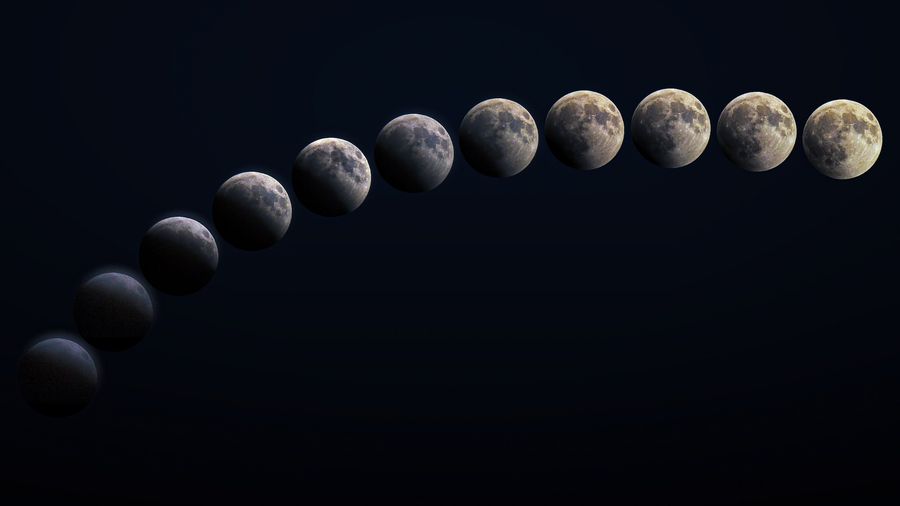
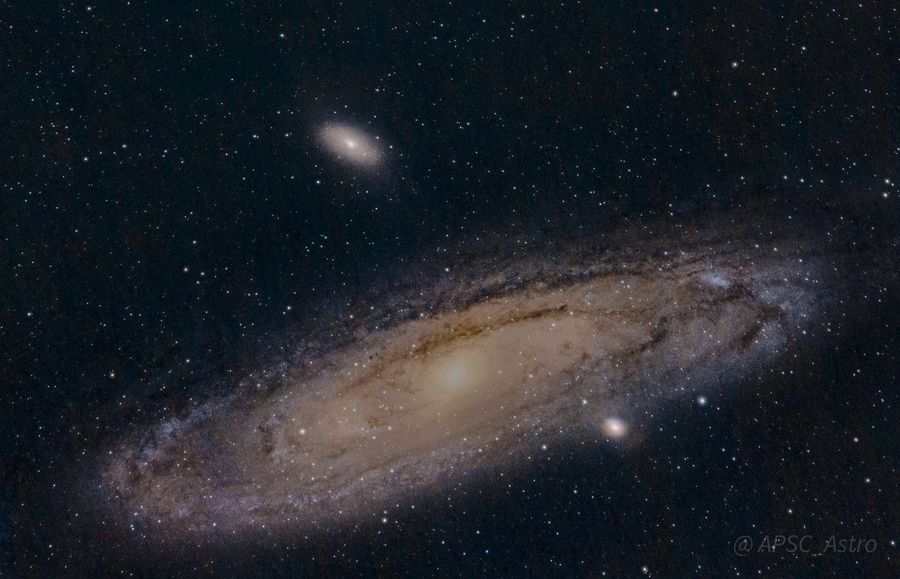
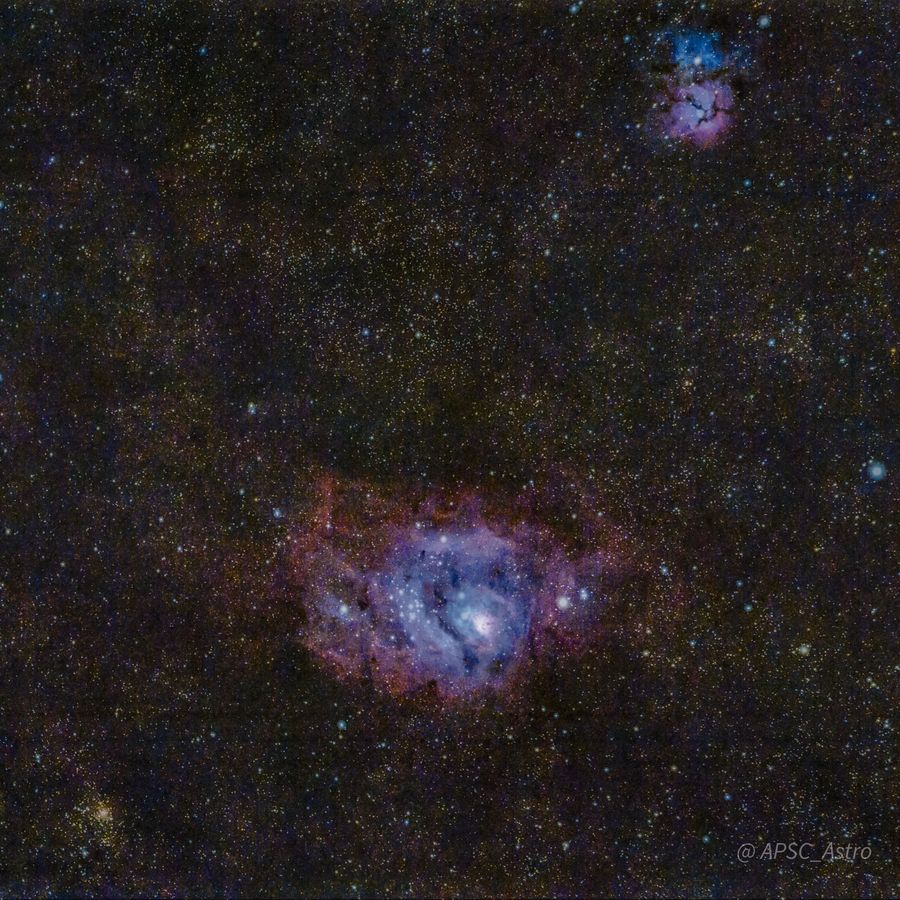
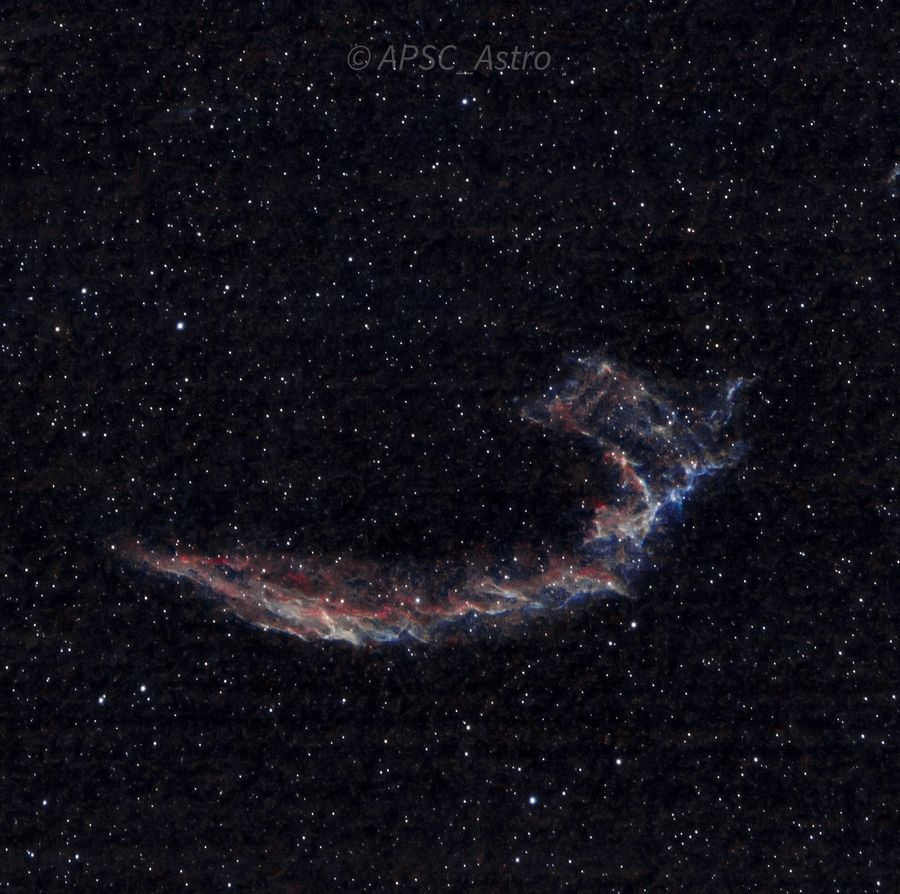
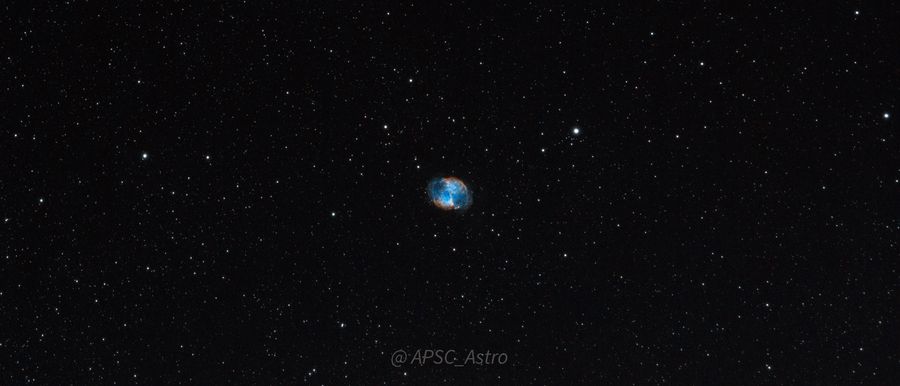
I have photographed the night sky since I was a child. These are stacked from my own setup; the full archive, with capture details, is in the Astrofolio.


Contact
I am open to research and engineering roles in control, robotics and machine learning, and happy to talk about the work. Email and Linkedin are the fastest ways to reach me.
Electrical Engineering West, 013-C4
Penn State, State College, PA 16802
© 2026 Kasra Sinaei Set in Archivo, Source Serif 4 and IBM Plex Mono